

Traumatic Brain Injury Therapy, Rehabilitation, and Recovery at Shepherd Center
Comprehensive Brain Injury Rehabilitation and Support
The brain is extremely complex, and brain injury affects each person differently. Shepherd Center's Brain Injury Rehabilitation Program provides a full continuum of services to treat patients who have experienced a traumatic brain injury (TBI) or non-traumatic brain injury.
Our programs treat specific conditions, such as disorders of consciousness, and specific age groups, such as adolescents. Shepherd Center’s 10-bed ICU allows our specialists to begin treatment early for patients with complex brain injuries and to address secondary complications resulting from the injury.
What Is a Brain Injury?
Brain injuries often occur as a result of a severe car accident, fall or sports-related incident. There are two types of brain injury: traumatic and non-traumatic brain injury.
- A traumatic brain injury (TBI) is defined as a blow or jolt to the head or a penetrating head injury that disrupts the function of the brain.
- A non-traumatic brain injury can be the result of an illness, oxygen deprivation, metabolic disorders, aneurysms, cardiac arrest or near-drowning experience. It includes injuries to the brain that are not caused by an external physical force to the head.
Shepherd Center’s Leading Brain Injury Rehabilitation Specialists
Our brain rehabilitation and recovery experts are highly trained leaders in the field of TBI rehabilitation. They provide patient-focused care rooted in leading-edge treatments, technologies and research. More than treating immediate needs, our clinicians work to develop a personalized path to long-term recovery for all patients, with the goal of helping them get back to what they enjoy.
Why Choose Shepherd Center’s Brain Injury Rehabilitation Program?
With a specialty focus on brain and spinal cord injury rehabilitation and research, we have more expertise and experience with brain injuries than most rehabilitation centers in the United States. U.S. News ranks Shepherd Center among the top 10 rehabilitation hospitals in the country, and we are also one of an elite group to be designated as both a Spinal Cord Injury Model System and a Traumatic Brain Injury Model System by the National Institute on Disability, Independent Living, and Rehabilitation Research (NIDILRR).
Our focus and expertise helps us to provide better care, resulting in better outcomes and higher return-to-home rates than the national average. Our care is not only effective, but it also it blends comfort and compassion, which results in high patient satisfaction. In fact, our patients and their families give 96 out of 100 points to rate their likelihood to recommend Shepherd Center to others in need of rehabilitation care.
Brain Injury Rehabilitation Programs at Shepherd Center
Shepherd Center provides a variety of programs that are tailored to individual needs for the best possible recovery. Learn about our brain injury rehabilitation programs below.
Inpatient Rehabilitation
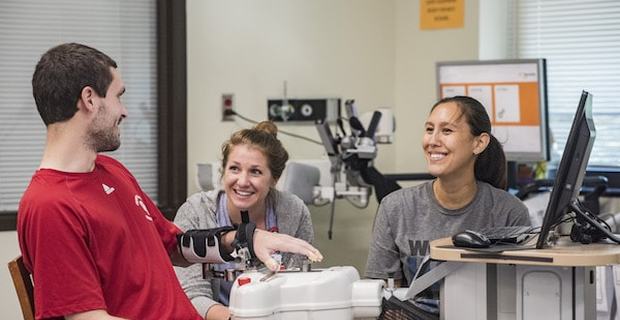
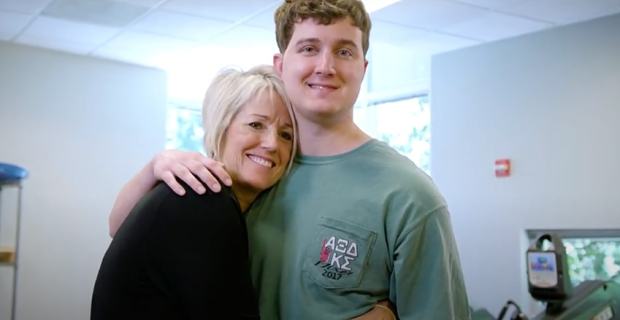
Our Acquired Brain Injury (ABI) Inpatient Program considers each patient's unique condition to create a tailored treatment plan and provides educational training for family members.
Adolescent Program
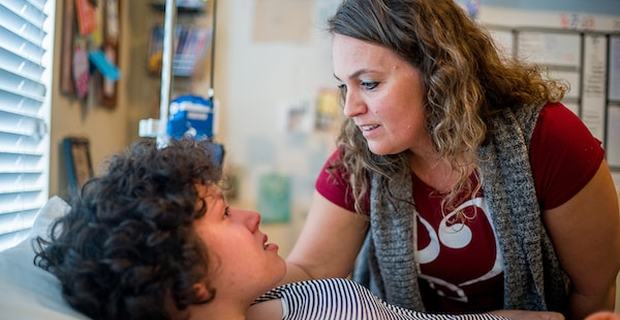
Our Adolescent Brain Injury Rehabilitation Program addresses the developmental and emotional needs of younger patients who have sustained a brain injury.
Disorders of Consciousness
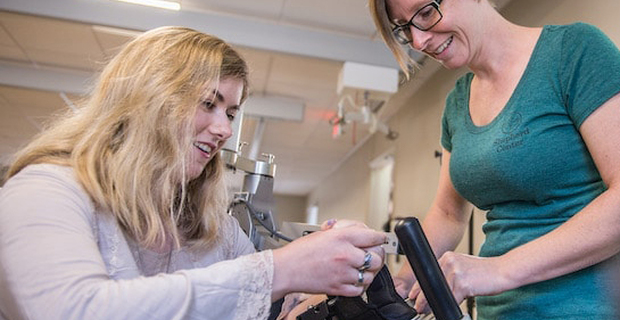
Our Disorders of Consciousness (DoC) Program provides a short-term, four-to-six-week program for patients who are semi-comatose or minimally conscious due to brain injury.

Residential Program at Shepherd Pathways
The Residential Program provides 24-hour support in a communal setting for patients to continue their brain injury recovery while regaining their independence in daily activities.
Day Program at Shepherd Pathways
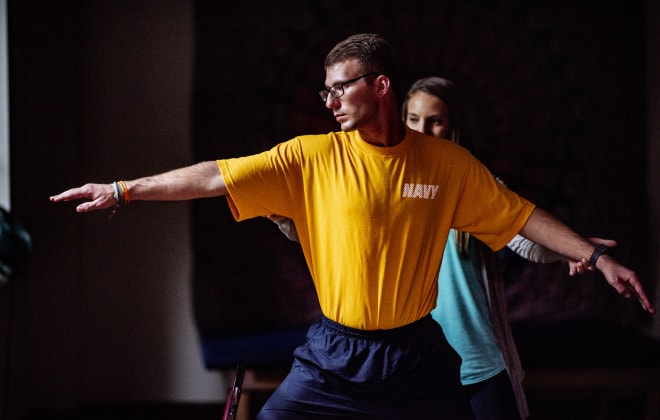
Our Brain Injury Day Program at Shepherd Pathways provides outpatient rehabilitation for patients learning to transition back into their communities.
Learn About Brain Injury Conditions, Treatment, and Care
If you or a loved one is starting the path to recovery from brain injury, you may have many questions. We want to provide you with the information and education you need to properly prepare for the future. That’s why we’ve compiled the following brain rehabilitation resources. Learn more about brain injury and TBI rehabilitation:
- Types of Brain Injuries – Discover the two types of brain injuries and how they commonly occur
- Understanding Brain Injury – Learn more about the science of brain injury in this video series
- Questions to Consider when Selecting a Rehabilitation Facility for Brain Injury – Find out the right questions to ask when choosing a brain rehabilitation facility to make sure it’s right for your loved one’s brain injury treatment
- MyShepherdConnection.org – Explore brain injury-related educational information for patients, families, and caregivers.
View firsthand accounts from former Shepherd Center patients with a brain injury in our patient Stories of Hope. video series.
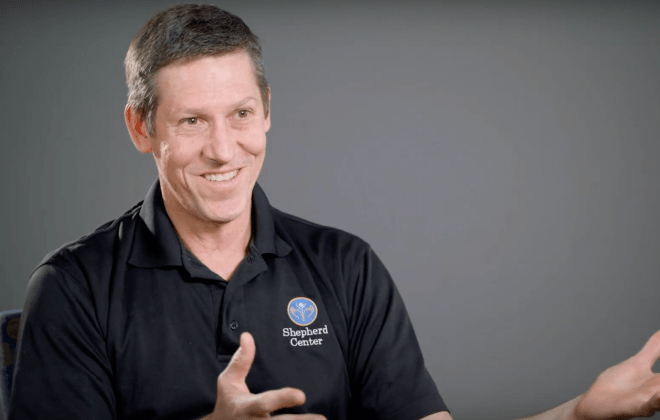
View our Physician Profiles to meet our incredible physical medicine and rehabilitation specialists who care for patients at Shepherd Center.
Brain Injury Program Contacts
Brain Injury – Inpatient
- General: 404-350-7345
- Admissions: 404-350-7345
Shepherd Pathways Day Program and Outpatient Services
- General Information: 404-248-1667
- Admissions: 404-603-1405
Meet Our Specialists in this Area
-
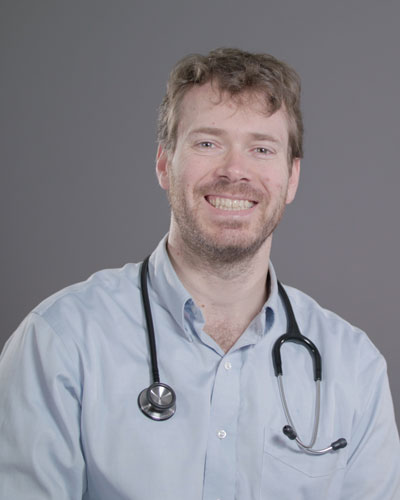 Andrew Cullen Dennison, M.D.Medical Director, Acquired Brain Injury Program
 -
 Payal Fadia, M.D.Medical Director, Post-Acute Brain Injury Services
 -
 Russell Gore, M.D.Medical Director, Vestibular Neurology
Director, SHARE Military Initiative
Director, Complex Concussion Clinic, Former US Air Force Flight Surgeon -
 Aiwane A. Iboaya, D.O.Staff Physiatrist
-
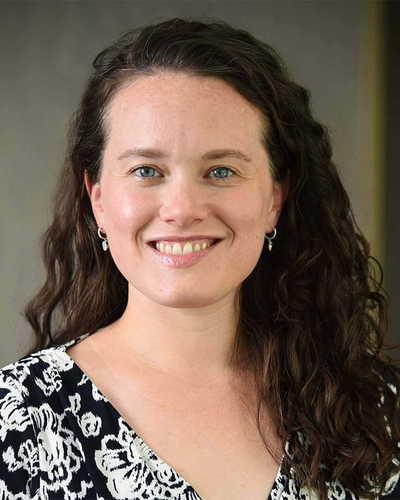 Ashley Johnson, M.D.Program Director, Brain Injury Medicine Fellowship & Staff Physiatrist
 -
 Ford Vox, M.D.Medical Director, Disorders of Consciousness Program
Chair, Medical Ethics Committee